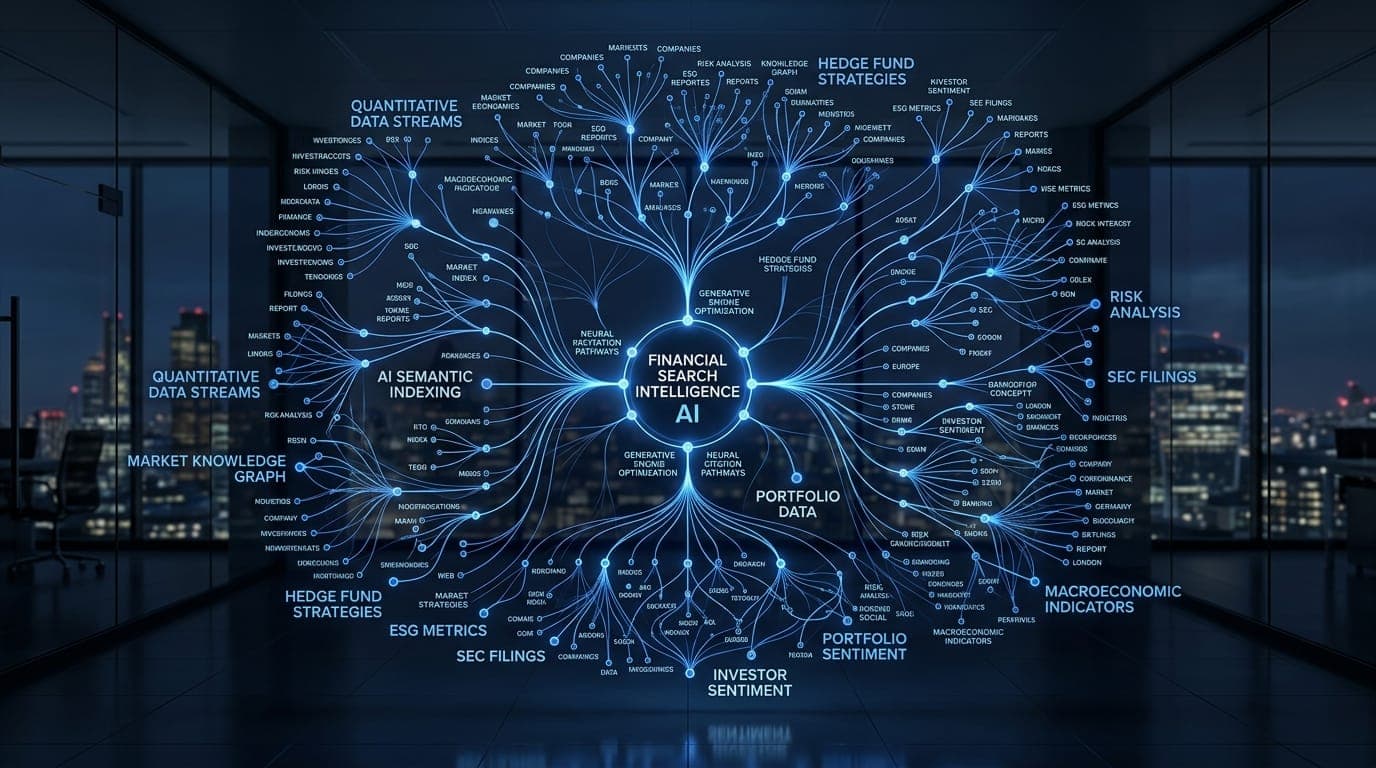
Generative Engine Optimization (GEO) is the engineering discipline of positioning institutional asset managers, RIAs, and financial enterprises as authoritative, cited recommendations within generative AI platforms including ChatGPT, Claude, Perplexity, and Google AI Overviews.
What Is the Structural Difference Between Traditional SEO and Generative Engine Optimization?
Traditional search engines operate by matching search queries to a ranked list of hyperlinks (the classic 10 blue links), weighting keywords, backlinks, and domain authority. In contrast, Generative AI engines do not merely rank pages—they ingest, synthesize, and compose direct answers using semantic entity consensus and statistical grounding.
| Evaluation Metric | Traditional Financial SEO | Generative Engine Optimization (GEO) |
|---|---|---|
| Primary Objective | Page 1 Organic Hyperlink Ranking | Direct Answer Citation & Vendor Recommendation |
| Retrieval Surface | Google & Bing SERP Results Pages | ChatGPT, Perplexity, Claude, Gemini, AI Overviews |
| Algorithmic Driver | PageRank, Anchor Text, Keyword Frequency | Semantic Vector Consensus, Entity Graphs & RAG Chunk Relevance |
| Discovery Manifest | XML Sitemaps (sitemap.xml) |
llms.txt, llms-full.txt & Schema.org Graphs |
| Primary User Behavior | Clicks through to multi-page website | Synthesizes zero-click answers; clicks cited source for validation |
How Do Generative AI Models Select Wealth Management Firms to Recommend?
Generative AI engines rely on two primary retrieval architectures: pre-training parametric knowledge and real-time Retrieval-Augmented Generation (RAG). When an accredited investor or family office trustee asks an AI assistant for wealth advisor recommendations, the model evaluates three core signals:
- Entity Graph Reconciliation: Whether the firm's brand name is linked to authoritative digital entity nodes such as Wikidata, Wikipedia, SEC EDGAR Form ADV records, and state corporate registries.
- Statistical & Quantitative Grounding: AI engines favor pages featuring explicit numerical matrices, AUM benchmarks, fee structures, and audited performance data over qualitative marketing prose.
- Third-Party Semantic Consensus: Independent editorial coverage across tier-1 financial publications (Bloomberg, Wall Street Journal, Financial Planning) that confirms the firm's specialization.
What Are the Core Technical Pillars of Institutional GEO?
Institutional GEO requires four interconnected infrastructure layers:
- Dense Schema.org Graph Integration: Interlinking
Organization,FinancialService,DefinedTermSet, andSpeakableSpecificationmarkup to eliminate ambiguity in entity resolution. - AI Crawler Optimization: Maintaining explicit directives in
robots.txtallowingGPTBot,PerplexityBot, andClaudeBotfrictionless access while blocking abusive scrapers. - Semantic Discovery Manifests: Publishing machine-readable
llms.txtandllms-full.txtfiles that provide token-efficient summaries of your firm's credentials, core services, and regulatory status. - Regulatory Compliance Guardrails: Structuring all AI citations with SEC Rule 206(4)-1 and FINRA Rule 2210 compliance statements, avoiding promissory performance claims.